Commercial Waste Health & Safety Policy — Earls Court Service Area
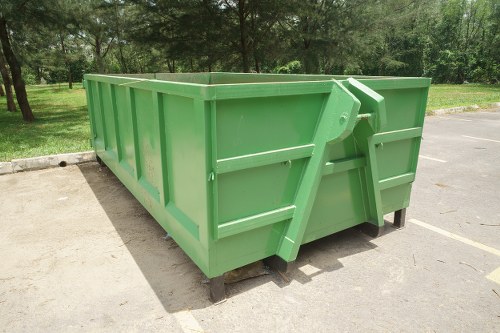 This Health and Safety policy sets out the commitment of our commercial waste operation to protect staff, contractors, clients and the public when delivering commercial waste and rubbish collection services. It establishes a clear framework for safe working, risk reduction and continuous improvement for all commercial rubbish and waste management activities.
The policy applies to every aspect of our rubbish company service area and to all personnel involved in the handling, transportation and disposal of waste from commercial premises. Scope includes waste storage, bin movements, vehicle operations, recycling segregation and on-site customer interactions, and it aligns with best practice for waste collection for businesses.
 Responsibilities are allocated at all levels to ensure that the safety policy is actively managed. Management will provide suitable training, equipment and supervision. Supervisors will monitor compliance, and employees must follow safe systems and report hazards promptly. Key duties include:
- Risk assessment and method statements for routine and non-routine tasks.
- Provision and correct use of personal protective equipment (PPE).
- Maintenance and inspection of vehicles and lifting equipment.
Risk assessment is central to our approach to commercial waste collection and commercial rubbish removal. All operational locations will undergo documented assessments identifying physical, chemical and ergonomic risks. Assessments will be reviewed periodically and whenever processes change or new hazards are introduced.
Control measures will prioritise elimination and substitution where feasible, then engineering and administrative controls. For example, use of mechanical aids for heavy loads, designated traffic management around collection points and clear signage for hazardous materials are standard steps in our waste services operation.
Training and competence form a core part of this policy. Staff engaged in waste handling receive induction, job-specific instruction and periodic refresher training. Training covers manual handling techniques, hazardous waste recognition, spill response and safe vehicle operation for daily collections.
We maintain clear procedures for hazardous and special wastes to reduce risk to employees and customers. This includes identifying non-acceptable items during commercial rubbish collection, secure containment, and coordination with licensed disposal facilities. Our teams are instructed to isolate suspect loads and seek guidance from supervisors.
Vehicle and equipment safety is enforced through a scheduled maintenance and inspection programme. Daily pre-shift checks, load security checks and documented servicing cycles reduce the likelihood of mechanical failure during a collection round. All lifting equipment is tested and certified to appropriate intervals.
 Incident reporting and investigation enable learning and improvement. All accidents, near-misses and dangerous occurrences are reported promptly, recorded and investigated to identify root causes and to implement corrective actions. Lessons learned are shared across the refuse and commercial waste teams.
Occupational health is addressed by managing exposure to dust, biohazards and noise associated with waste operations. Control measures include use of suitable respirators where required, hearing protection during prolonged noisy tasks and hygiene facilities for staff to reduce contamination risks after collections.
Contractor and subcontractor management is integral when third parties support waste services or provide ancillary works. Only those with appropriate safety credentials and insurance are engaged, and they must comply with this Health and Safety policy and site-specific risk assessments where applicable.
Communication is continuous: safety briefings before shifts, toolbox talks on specific risks and documented updates when procedures change. Employees are encouraged to contribute to safer working through reporting hazards and participating in safety meetings.
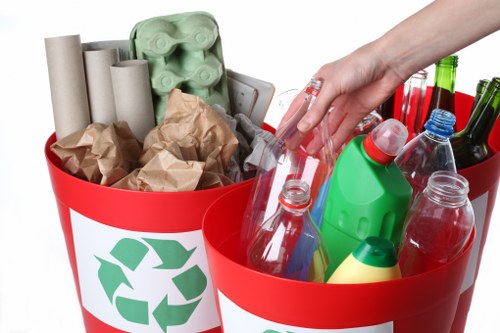
Waste segregation and recycling procedures are designed to reduce environmental impact while controlling risks. Clear labeling of containers, safe handling of compactors and properly routed collection paths reduce manual contact with waste and minimise cross-contamination during transport.
Emergency preparedness includes spill response, first aid provisions and contingency plans for route disruptions. Emergency contacts and escalation procedures are maintained internally and exercised periodically to ensure a swift, organised response.
Monitoring and audit activities measure performance against Health and Safety objectives for commercial waste operations. Records of training, inspections, incident reports and maintenance are maintained to demonstrate ongoing compliance and to drive continuous improvement.
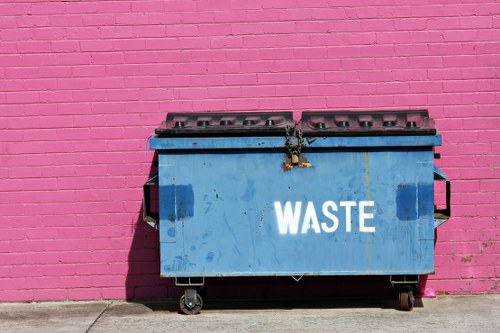 This policy is supported by management resources committed to safe, reliable rubbish removal and commercial waste services. Managers allocate sufficient time and budget to maintain the safety systems, protective equipment and training necessary for efficient and safe waste collection for businesses.
Performance indicators include reduction in accident rates, improved near-miss reporting, timely completion of equipment checks and demonstrated uptake of safety procedures. Regular review cycles keep the policy current and responsive to operational change.
 All personnel are required to cooperate with this Health and Safety policy, actively participate in safety initiatives and follow the procedures that have been put in place to protect people and property during commercial rubbish and waste disposal activities. Commitment to safety is essential for a resilient, professional waste services operation.
Policy review and approval
The Health and Safety policy is reviewed at least annually, or sooner following significant incidents, legislative changes or operational adjustments. Managers will document reviews, and any revisions will be communicated to all staff to ensure ongoing alignment with safety objectives for commercial waste management.
Key principles
Prevention first, clear responsibilities, training, regular monitoring and continuous improvement are the foundation of our approach to delivering safe, compliant and effective commercial waste and rubbish company services in the area.
Signed and endorsed by senior management to ensure that safety requirements are prioritised and resourced appropriately across all commercial collection and disposal activities.
